Event discovery & planning / 2025
PlanMyFun.
Less screen.
More life.
An agentic mobile app designed to help people discover, plan, and book things to do, with less searching and more doing.
From event discovery to city intelligence.
One discovery layer for a city’s worth of possibilities.
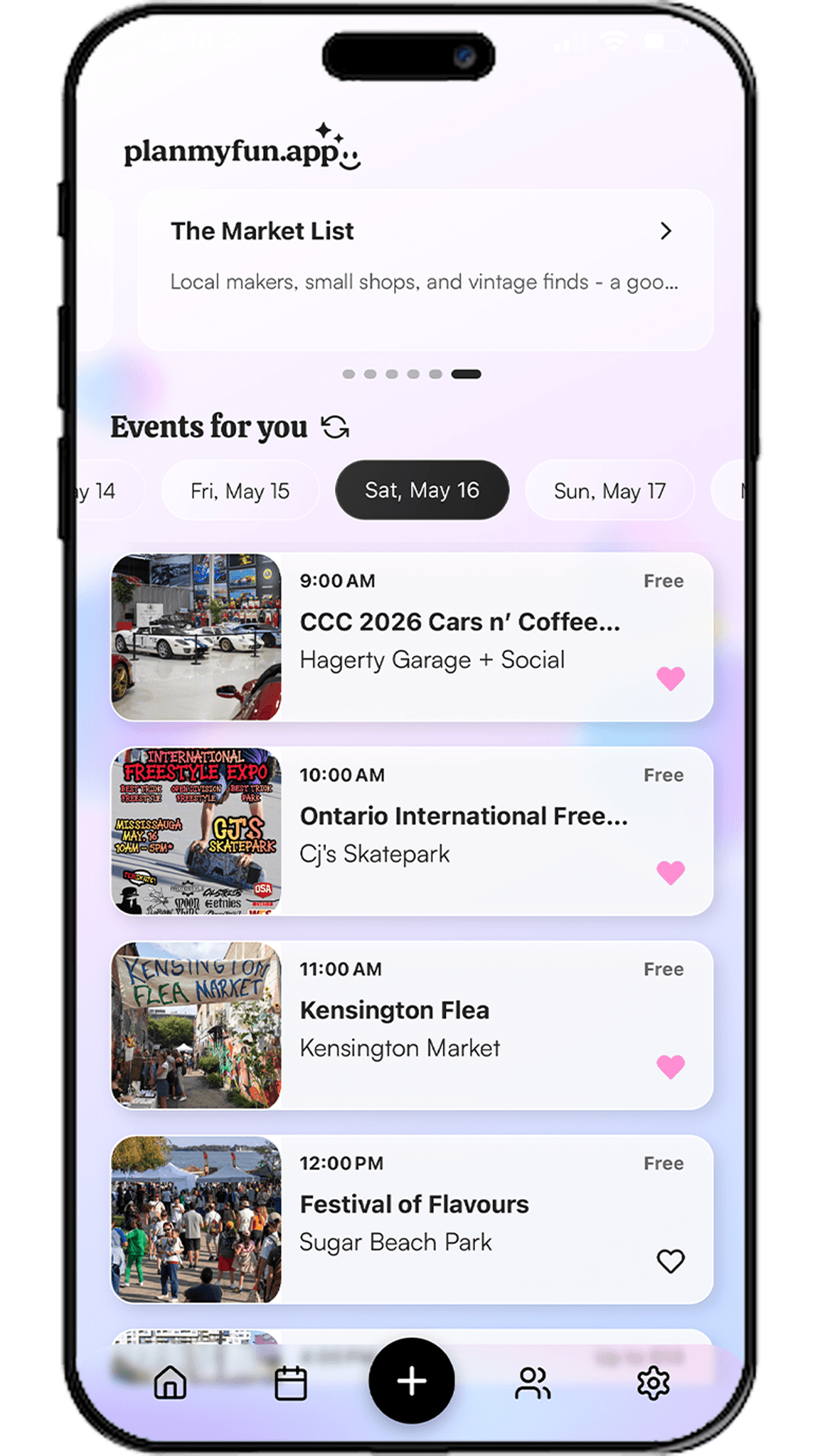
PlanMyFun was built around a clear market shift: growing demand for in-person experiences alongside a rapidly expanding supply of events, pop-ups, and local activities.
Phase one was creating a single discovery layer—aggregating events from Eventbrite, Luma, Instagram, and venue sites into one place, with the ability to browse, register, and buy tickets right from the app.
Longer term, the ambition was to build something closer to the brain of a city: combining events, places, local media, and real-time city feeds into a planning layer that could generate highly personalized plans.
data
+ timing
Making the product easier to grow and operate.
Small tools. Useful leverage.
I built internal tools to automate repetitive workloads and improve the user experience.
Instagram Event Scraper
More local, community-led events.
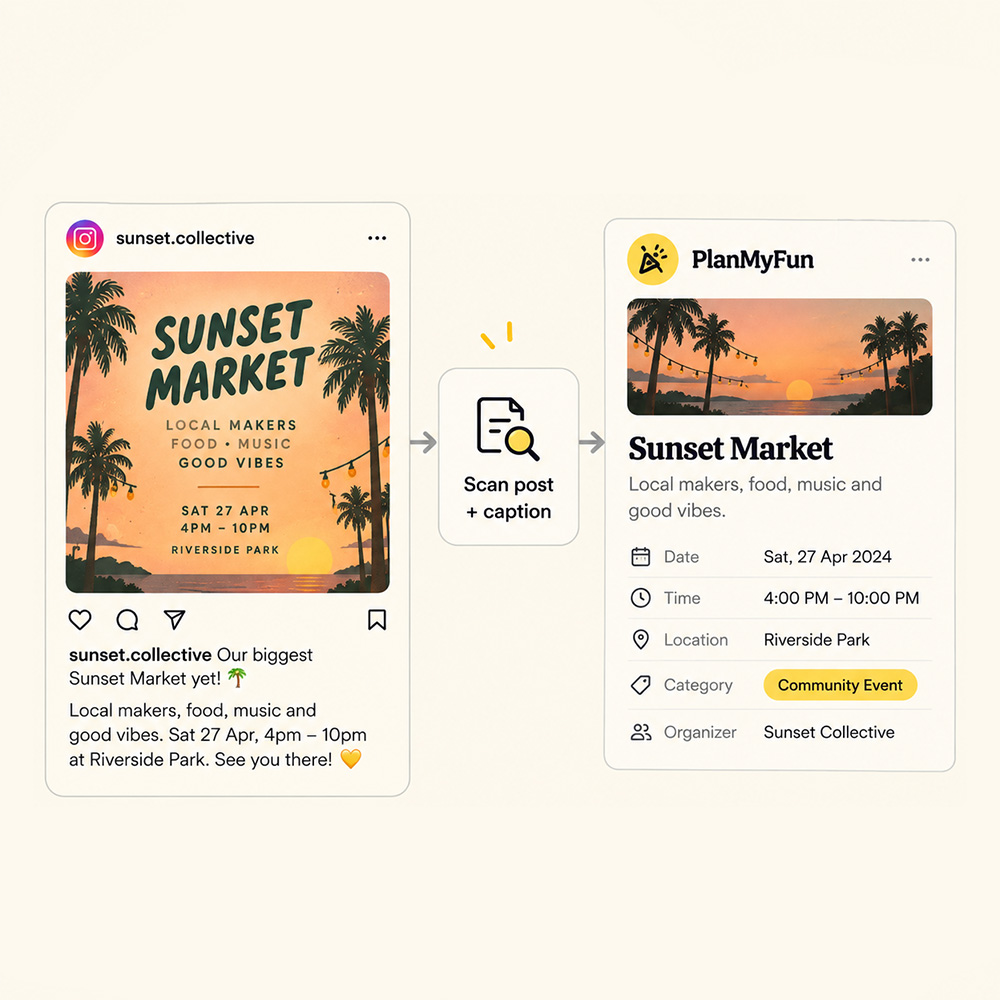
I built a tool that scraped Instagram event posts, pulled out the key details, and added the event directly into PlanMyFun’s database for users to discover.
- Python / FastAPI service, containerized with Docker and exposed through a URL-based extraction endpoint.
- Parsed and normalized event data into JSON, mapping date and time, location, pricing, organizer, category, and source metadata.
Content Machine
Useful local content, with less repetitive work.
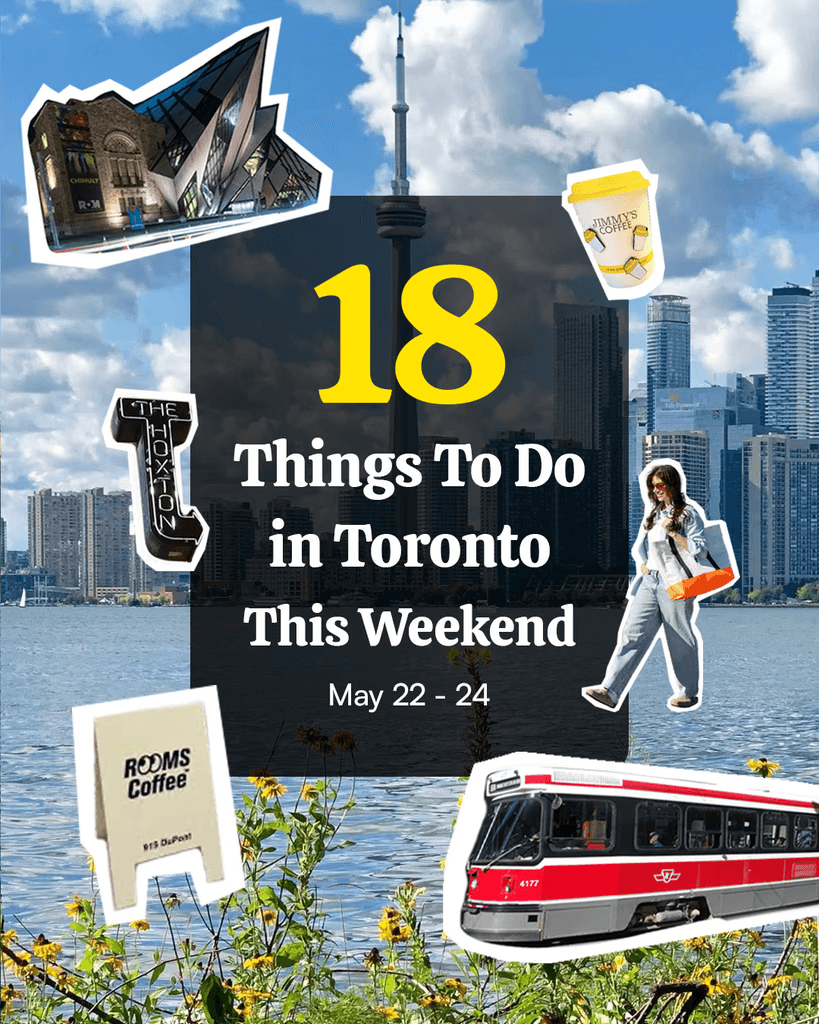
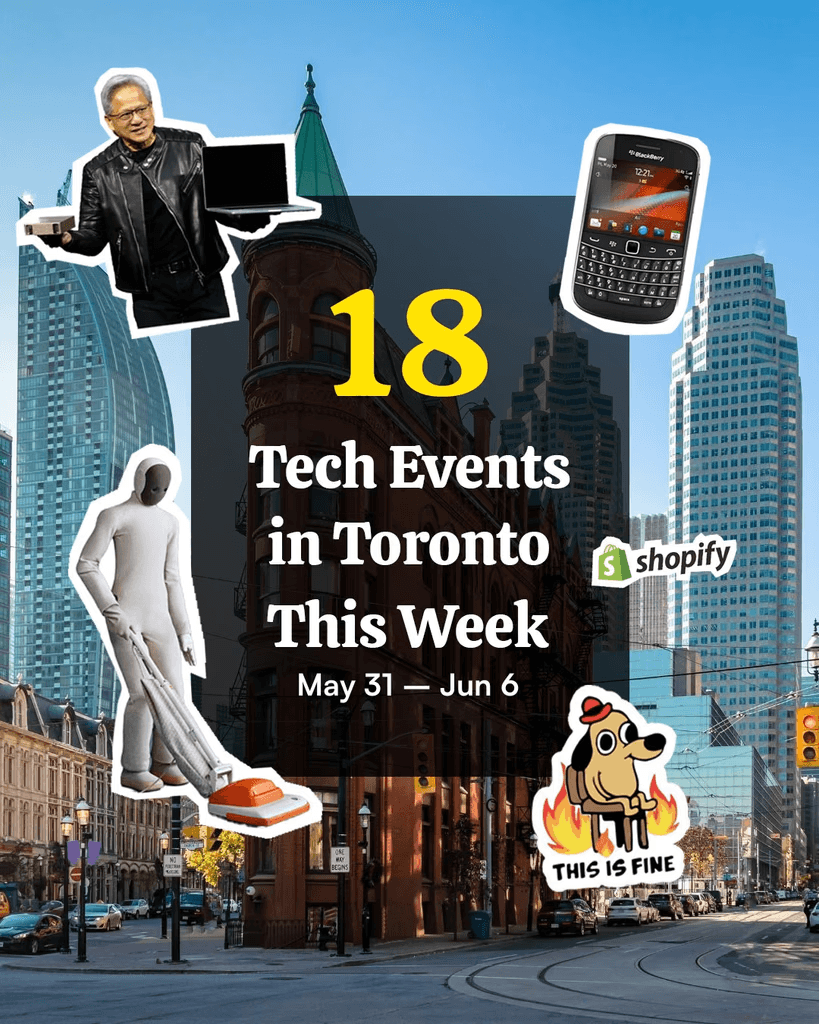
I built a tool that pulled upcoming events from PlanMyFun and automatically turned them into branded social content, supplementing our social activity with timely local event roundups.
- Python + Pillow (PIL) pipeline for generating branded carousel assets from filtered PlanMyFun event data.
- API-driven run modes with Google Sheets + Claude integration for scheduled content pulls, structured event output, and caption generation.
Cracking organic growth.
Content that travelled beyond our existing audience.
I tackled content on behalf of our team and found formats that consistently reached beyond our existing audience, from local event roundups to recommendations and founder-led videos.
As that momentum built, installs grew from roughly six per day to around 50 at peak, organically.
Adding fun to our website.
A taste of the product, before the product appeared.
I wanted the first few seconds of our website to feel fun before the product even appeared. So I treated the page load itself as part of the brand experience, using motion, surprise, and a very Toronto-specific scene to make the first interaction feel like a small taste of the product itself.
Building in the AI era.
From problem to tool to outcome.
PlanMyFun pushed me toward a more hands-on way of building, using AI and lightweight tools to solve problems around the product as they came up—whether that meant improving how we sourced event data, automating repetitive work, or supporting content and growth.
The biggest takeaway was learning to move quickly from problem → tool → outcome, without waiting for every need to become a major engineering project.